
A driver makes 300 decisions per lap. Every single one is a nervous system event.
The difference between the podium and the wall is measured in milliseconds. Those milliseconds are determined by the state of the nervous system driving the car — not just the car. Neve reads that state every morning before the driver gets in.
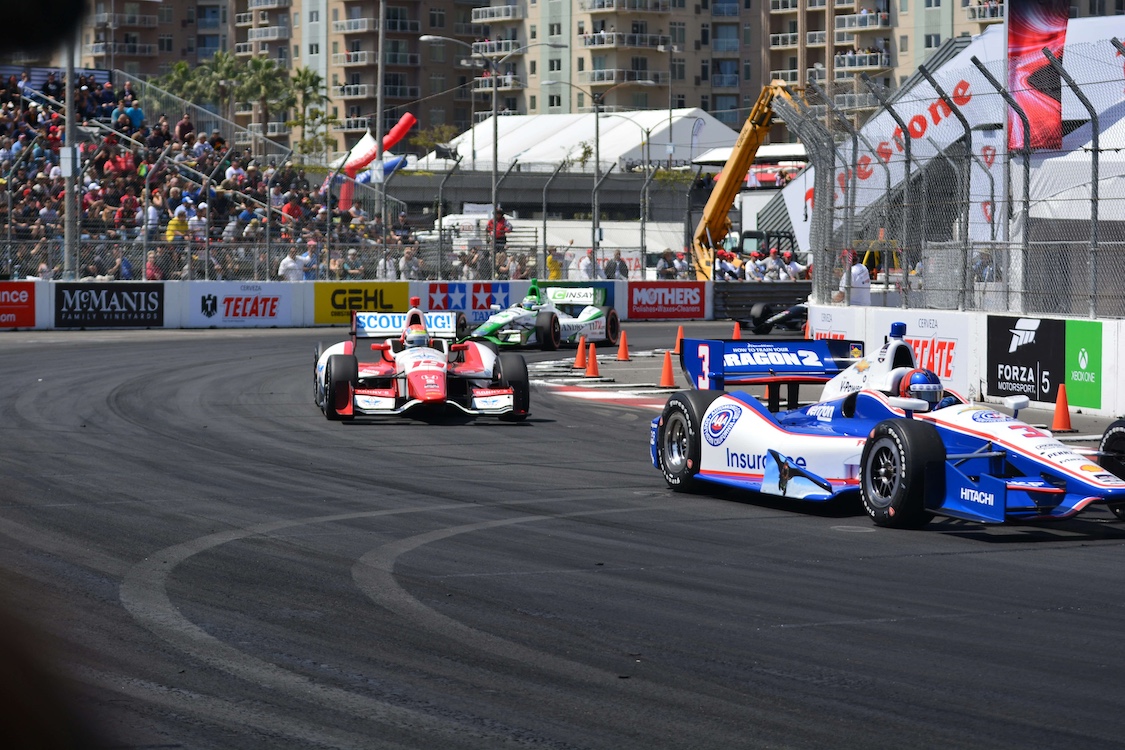
Everything about the car is measured. The driver's nervous system never has been.
Motorsport performance teams measure everything about the car. Telemetry. Lap times. Tyre behaviour. Setup data. Thousands of variables analysed after every session.
The driver's nervous system — the human variable determining reaction speed, decision quality, and performance under the specific pressure of competition — has never been monitored daily.
Not because it doesn't matter. Because until now nobody could read it.
A driver in sub-optimal neural state makes slower decisions. Reaction times extend. Risk calibration shifts. The instinctive choices that separate a great lap from a crash change in ways that no simulator session, no psychologist, no coach debrief can currently detect before they happen.
Neve detects them the morning before they get in the car.
/ what neve shows motorsport teams Five readings. One human variable.
Pre-session cognitive readiness
Is the driver's nervous system in optimal state for qualifying or race day? The neural readiness score before every session tells the performance engineer the human variable they have never had before.
Travel and schedule load
Back-to-back race weekends. Long-haul travel. Time zone changes. Each produces a specific nervous system signature. Neve shows the cumulative neural load that no fitness metric currently captures — and how long recovery actually takes.
Reaction time prediction
Neural fatigue directly degrades reaction speed. Neve's morning score predicts the days when reaction times will be compromised before any simulator session confirms it. Intervention before performance loss — not after.
Pressure and competition stress response
The nervous system response to competitive pressure is unique to each driver. Over time Neve maps that response — showing the performance engineer which pre-race conditions optimise their driver's nervous system and which compromise it.
Post-incident neural monitoring
After any incident involving head impact or sudden deceleration — a shunt, a spin, a heavy kerb strike — Neve provides daily neural monitoring during the recovery period. The data that shows the nervous system has genuinely restored before the driver returns to full competitive pace.
/ what it looks like Race weekend. Saturday morning. 07:45.
The driver completes their morning scan. The performance engineer opens the Neve dashboard at breakfast.
Score: 61 — Monitor.
Neural fatigue slightly elevated. The travel from last weekend's race. Three days of simulator work. The nervous system carrying more than it appears.
The performance engineer adjusts the morning programme. Less cognitive load before qualifying. More time in controlled preparation. The pre-session debrief shortened. The driver goes into Q1 with a nervous system that has been protected rather than depleted further.
Qualifying lap: personal best. Front row.
Without Neve: the data wasn't there. The morning went ahead as planned. The margin that was lost was invisible — but it was real.
/ the science Measurable in EEG before it shows on the stopwatch.
"Neural fatigue directly degrades reaction time, risk calibration, and the quality of instinctive decisions made under competitive pressure. These changes are measurable in EEG data before they are detectable in performance metrics."
"Theta/alpha ratio elevation — the primary marker Neve reads — has been shown to predict performance degradation in time-critical tasks requiring sustained attention and rapid response. Motorsport is precisely this task."
Raufi & Longo, Frontiers in Neuroinformatics, 2022Read the driver, not just the car.
Founding motorsport pilots open now. Limited to a small number of organisations this quarter.
Book a Motorsport Pilot →